Message from Outside Directors
Message from a Former Outside Director |Former Outside Director Former Chair of the Board of Directors Takeo Kikkawa
A Company I’m Glad Exists: A Parting Message to Idemitsu Kosan
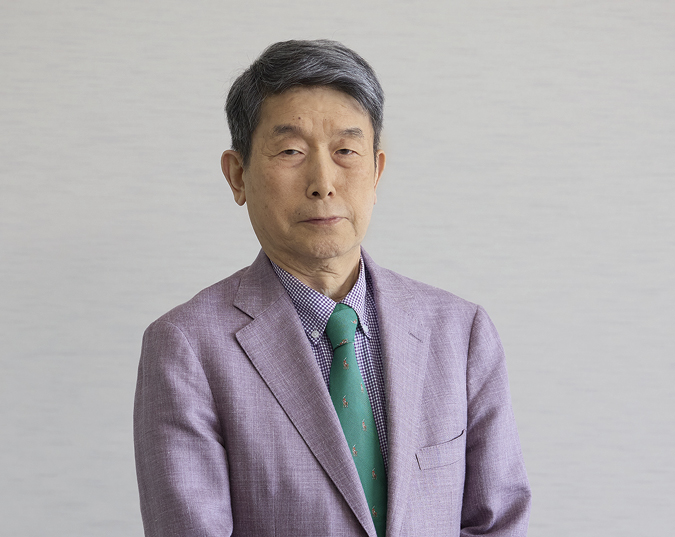
On June 24, 2026, I stepped down as an Outside Director of Idemitsu Kosan, a position I held for nine years. Looking back on my tenure, I can’t help but feel that it’s truly a wonderful thing that Idemitsu Kosan exists as a company.
Idemitsu Kosan is a company that is indispensable both to Japan and to the world. This is because it is a rare entity that is simultaneously pursuing both Energy Addition and Energy Transition, two goals that human society is currently pursuing.
While fulfilling its responsibility to supply petroleum, the Company is also focusing its efforts on the development of synthetic fuels (e-fuels) produced from methanol. While fulfilling its responsibility to supply coal, it is paving the way for the co-firing of ammonia and black pellets. The Company is also making a full-scale entry into the natural gas business and increasing its presence in the renewable energy sector, with a focus on solar, biomass, and geothermal power. The development of all-solid-state batteries has the potential to fundamentally revolutionize mobility and power grids.
Why has Idemitsu Kosan been able to become such a rare entity? It’s because many people who work there do not work solely for themselves or even for the Company, but rather think and act with Japan and the world in mind as well.
Because it is united by a shared sense of purpose, the Company is a place where a wide range of opinions are freely and openly exchanged. During the latter half of my tenure as an Outside Director, I was entrusted with the important role of Chairperson of the Board of Directors. At Board meetings, however, lively discussions took place without distinction between Directors and Audit & Supervisory Board Members, Internal and Outside Directors, or Executive and Non-Executive Officers. Over the course of nine years, I cast a dissenting vote on the Board of Directors on two occasions. At dialogue sessions with industry-savvy analysts, which I attended as an Outside Director, I was able to express my views literally without any constraints.
This sense of purpose has taken root not only among Japanese employees but among foreign employees as well. Whether I was talking with an American employee working in the lubricants business in Kentucky, a Canadian employee involved in oil sales in Sacramento, an employee handling trading operations in Singapore, an Australian coal-mining engineer working at the Boggabri Mine, or a young Vietnamese engineer striving to master their craft at the Nghi Son Refinery—they all spoke passionately about what it means to work at Idemitsu.
I’ve been truly fortunate to have worked alongside such wonderful people for nine years. But that is precisely why I have some parting words I would like to share with them.
My message—to borrow from a Japanese proverb—is: Don’t be a frog in a well. In other words, don’t live in a bubble. Working with a genuine sense of purpose is amazing. It brings great joy and an immense sense of fulfillment. But if you get too caught up in it, you lose sight of the expectations waiting for you outside the well. We are called on to go beyond the sense of accomplishment derived from a supply-side perspective and adopt a market-driven approach, using that as the starting point for our work. Once you take that first step out of the well, you can identify the source of lost profits, tap into those profits, and enhance corporate value. One example is the need to develop a business model that monetizes environmental value.
When Idemitsu Kosan steps outside the confines of its well, its brilliance as “a company I’m glad exists” will stand out even more.
Message from an Outside Director and the Chair of the Nomination and Compensation Advisory Committee |Outside Director Chair of the Nomination and Compensation Advisory Committee Jun Suzuki
Executing Strategies to Ensure a Stable Energy Supply While Advancing Low-carbon and Decarbonization Initiatives
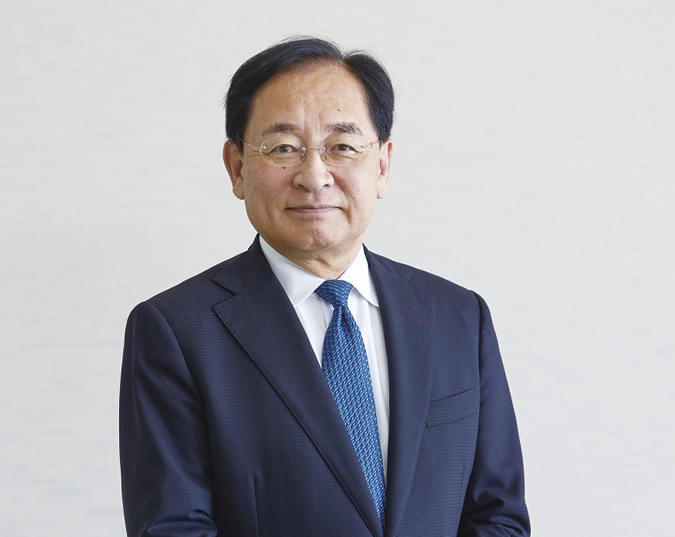
Amid intensifying geopolitical shifts and mounting uncertainty in the global energy landscape, ensuring a stable energy supply while advancing decarbonization has become an increasingly critical priority for corporate management. Recognizing that this is the business environment Idemitsu faces, in my capacity as an Outside Director, I have taken part in discussions on the Company’s Medium-term Management Plan with a focus on enhancing corporate value over the medium to long term. In my view, under the previous Medium-term Management Plan (FY2023–2025), the Company made steady progress in investing in business restructuring and human capital, as well as in enhancing the business platform. At the same time, we shared an understanding of the significant impact that geopolitical factors can have on the external environment and clearly identified various challenges, including the need to establish a stable earnings base and further improve capital efficiency.
In light of these achievements and challenges, under the new Medium-term Management Plan (FY2026–2030), we agreed on the direction for rebalancing the business strategies and strengthening earnings power, given the highly uncertain business environment. In particular, I believe the Company’s new framework, which reorganizes business segments into three pillars—GRIT, GROWTH, and CNX—and clarifies the roles and resource allocation for each, will serve as a crucial foundation for strengthening the Company’s ability to execute strategy.
GRIT focuses on improving profitability and capital efficiency by strengthening the foundation of existing businesses. GROWTH aims at creating new growth domains through electrification solutions and global expansion. CNX seeks to contribute to achieving carbon neutrality by 2050 by pursuing opportunities in the low-carbon and decarbonization sectors. The management plan organizes these various initiatives, each of which operates on a different timeframe, so they can establish a common foundation for evolving the business portfolio over the medium to long term. Through discussions at Board of Directors meetings, we have also affirmed the need to simultaneously pursue the two imperatives of energy transition and energy addition. Advancing decarbonization while ensuring a stable energy supply is the cornerstone of the Company’s sustainability, and is clearly positioned as the core of the new management plan’s strategies.
I believe that, by leveraging its technological capabilities, operational excellence, and global partnerships to steadily advance initiatives that balance energy security with decarbonization, the Company will enhance corporate value over the medium to long term and continue to deliver sustainable value to society. I will continue to contribute to realizing this vision in my capacity as an Outside Director.
In the area of nominations, the Nomination and Compensation Advisory Committee held discussions in preparation for the selection of officers in FY2026, including the formulation of a succession plan for the President. With a view to building a top management team to lead the next generation, the committee shared an understanding of the importance of the systematic development and ongoing evaluation of multiple candidates. Succession planning is not a one-time selection process; rather, its effectiveness should be enhanced through long-term development and the deliberate accumulation of relevant experience, and we have engaged in ongoing discussions from this perspective.
In the area of compensation, in conjunction with the launch of the new Medium-term Management Plan, we also conducted extensive reviews of performance metrics and compensation systems aligned with the plan’s strategies. We have a shared vision for reinforcing the linkage between short-, medium-, and long-term targets and results, while also enhancing incentive functions that contribute to increasing corporate value. In addition, we continued to deliberate on what constitutes competitive compensation levels and, in my view, have succeeded in establishing appropriate compensation levels in terms of supporting the Company’s sustainable growth.
Messages from Outside Directors |Outside Director Member of the Nomination and Compensation Advisory Committee Shiori Nagata
Effective Governance through a Balance of On-the-Ground Understanding and Strategic Discussions
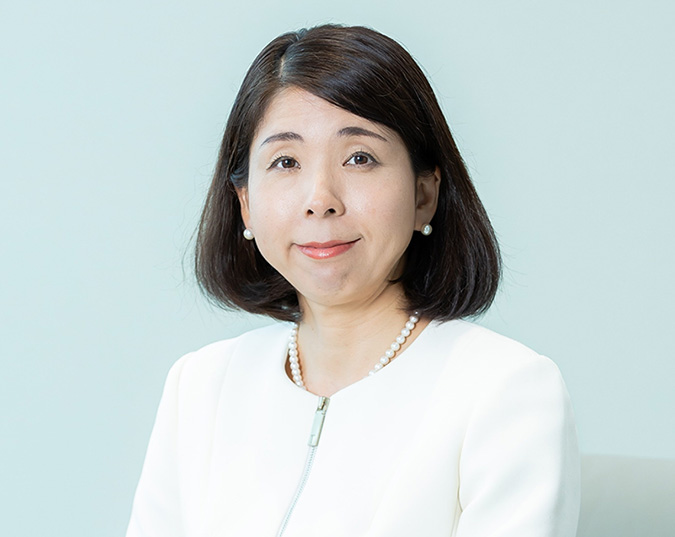
Since taking office as an Outside Director, I have put particular emphasis on getting out in the field. I visited various business sites, including the Chiba Complex, the Kansai Branch, the Nghi Son Refinery in Vietnam, the Trading Department’s offices in Singapore and Malaysia, offices in the United States, and the Boggabri Mine in Australia.
What really struck me on these visits was how deeply Idemitsu’s Management Philosophy and manufacturing expertise are ingrained in each local site, transcending differences in business formats such as refineries, chemical plants, and mines. I shared the feedback I heard in the field and the challenges I observed in conversations with the Board of Directors and senior management, and this has been reflected in our management discussions.
Furthermore, by seeing for myself the nature of Idemitsu’s operations in various regions and their potential, I think I’ve gained a deeper understanding of the background and objectives of the new Medium-term Management Plan. I believe both high-level strategic discussions at Board meetings and an understanding of realities on the ground form the foundation of effective governance.
The new Medium-term Management Plan outlines a policy for rebalancing strategies under the three themes of GRIT, GROWTH, and CNX, with the aim of achieving both sustainable growth and addressing social issues. I believe this is an excellent management plan that aspires to growth while facing up to harsh realities. Among the various growth areas, I personally have high hopes for the chemical recycling and circular businesses. When I witnessed firsthand the process of used plastic being converted into oil and reborn as a new resource, I was deeply moved and felt a sense of hope for the future. I believe this initiative—which taps into the demand for a circular economy while capitalizing on existing assets—is a prime example of how the Company can use the technical expertise it has cultivated in refining and chemicals to create new value. I strongly expect these new business segments to steadily expand and grow into a key driver of earnings that simultaneously addresses social issues and enhances corporate value.
Messages from Outside Directors |Outside Director Member of the Nomination and Compensation Advisory Committee Advisor of the DE&I Promotion Committee Mio Kashiwamura
Starting with Each Individual’s Strengths and Passion in Embracing the Challenge of Implementing the Medium-term Management Plan
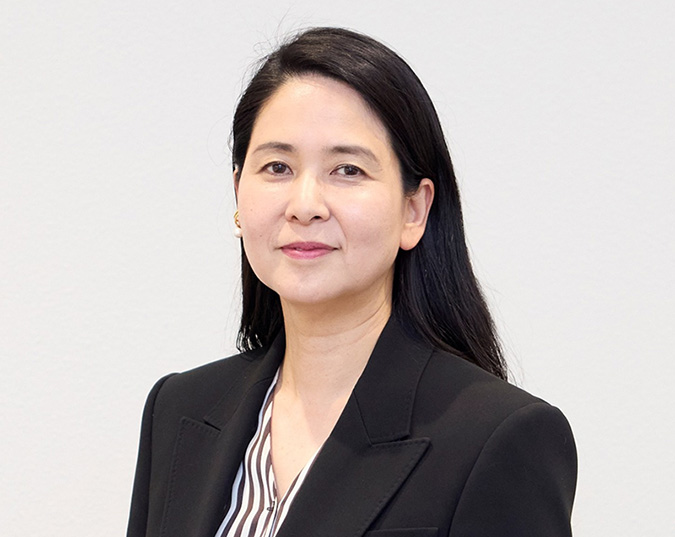
Over the past year since I assumed the position of Outside Director, through repeated dialogue with the management team and employees in the field, I have come to realize firsthand that the source of Idemitsu’s corporate value is undoubtedly its people, and that the Company places the highest priority on fostering a culture where people grow through their work. I later had the opportunity to visit the archives in Moji, the birthplace of Idemitsu, where it finally clicked for me that the palpable passion I was encountering every day out in the field was directly linked to the Management Philosophy of Ningen-Soncho (Having respect for human beings) and being “Truly inspired,” which the Company has upheld for over a century. This resonated deeply with me, as it overlaps with the respect for the individual that I have valued throughout my career. The Company has just launched a new Medium-term Management Plan under President Sakai. Amid a rapidly changing global landscape, including geopolitical risks and expanding energy demand driven by the spread of AI, the Company has established the three strategic pillars of GRIT, GROWTH, and CNX. It is engaged both in energy addition, which underpins society today, and in energy transition, which is what will lead toward the decarbonized society of the future. This past year, I witnessed the Company’s sincere resolve to tackle these two difficult challenges head-on and its efforts to translate that resolve into concrete action.
The question is whether or not the Company can implement these three strategies successfully. I am convinced that the key to this lies in the execution of its human capital strategy in alignment with its business strategy. The new Medium-term Management Plan sets forth the digital and AI-driven transformation of business processes, but no matter how advanced systems become, it is the individual strengths and passion of employees bringing together diverse knowledge that can truly unleash the advanced R&D capabilities Idemitsu has cultivated and create new value to address challenges in society. Starting in fiscal 2026, I have taken over the role of advisor to the DE&I Committee from Director Nagata. While making the most of this role, I will support each employee in charting their own career path and encourage an environment where diverse people can thrive.
I will support the process of accelerating co-creation both in the Company and with outside partners to generate new business models and translate these into solid earnings power for the Company.
Message from an Outside Audit & Supervisory Board Member |Outside Audit & Supervisory Board Member Yumiko Ichige
Strengths of Our Corporate Governance and Areas for Further Improvement
The greatest strength of our corporate governance lies in the oversight function of our Board of Directors, which is composed of a diverse group of Directors and Audit & Supervisory Board Members from both inside and outside the Company. At board meetings, while everyone works toward the common goal of continuously enhancing corporate value, discussions take place from various perspectives, including, at times, dissenting opinions. While the pace of environmental change varies across our five business segments, we establish an overall strategy for investment timing and the allocation of management resources based on these differences. At the same time, individual projects are reviewed by weighing the potential for profit against the anticipated risks (including the risk of inaction). I believe that, particularly over the past four years, there have been many discussions regarding new business initiatives such as CNX, as we sought to chart the optimal roadmap as responsible change agents while navigating the delicate balance between government policies and shifting market needs. Furthermore, in formulating the new Medium-term Management Plan, strategic discussions were held—sometimes following study sessions with invited experts—on topics such as the geopolitical challenges we face, economic security, and resulting trends in national energy policy, while also taking into account market changes such as the spread of generative AI and rising electricity demand.
Audit activities for FY2025 focused on the following priority areas: (1) addressing risks associated with business restructuring; (2) the status of initiatives related to human capital investment; and (3) ensuring safety, compliance, and quality, as well as improving refinery utilization rates. The results of the onsite audits and the observations made by Audit & Supervisory Board Members have been provided as feedback to the respective departments. At the same time, regarding coordination with the Board of Directors, although we submit reports annually, due to time constraints, these have not yet led to substantive discussions. In principle, matters brought to light by Audit & Supervisory Board Members are closely related to the Board of Directors’ supervisory function. The Audit & Supervisory Board discussed this matter at the beginning of the fiscal year.
We intend to further strengthen our collaboration with the Board of Directors going forward by devising more detailed reporting methods that will facilitate the Directors’ input and discussions, as well as by consulting with the Board of Directors’ secretariat regarding the best practices for information sharing.