




Synthetic fuels
synthetic fuel are an energy source that uses CO₂ as a raw material, circulating it and making a significant contribution to achieving carbon neutrality. We aim to introduce and popularize them as soon as possible as a means of decarbonizing engine vehicles and other vehicles.
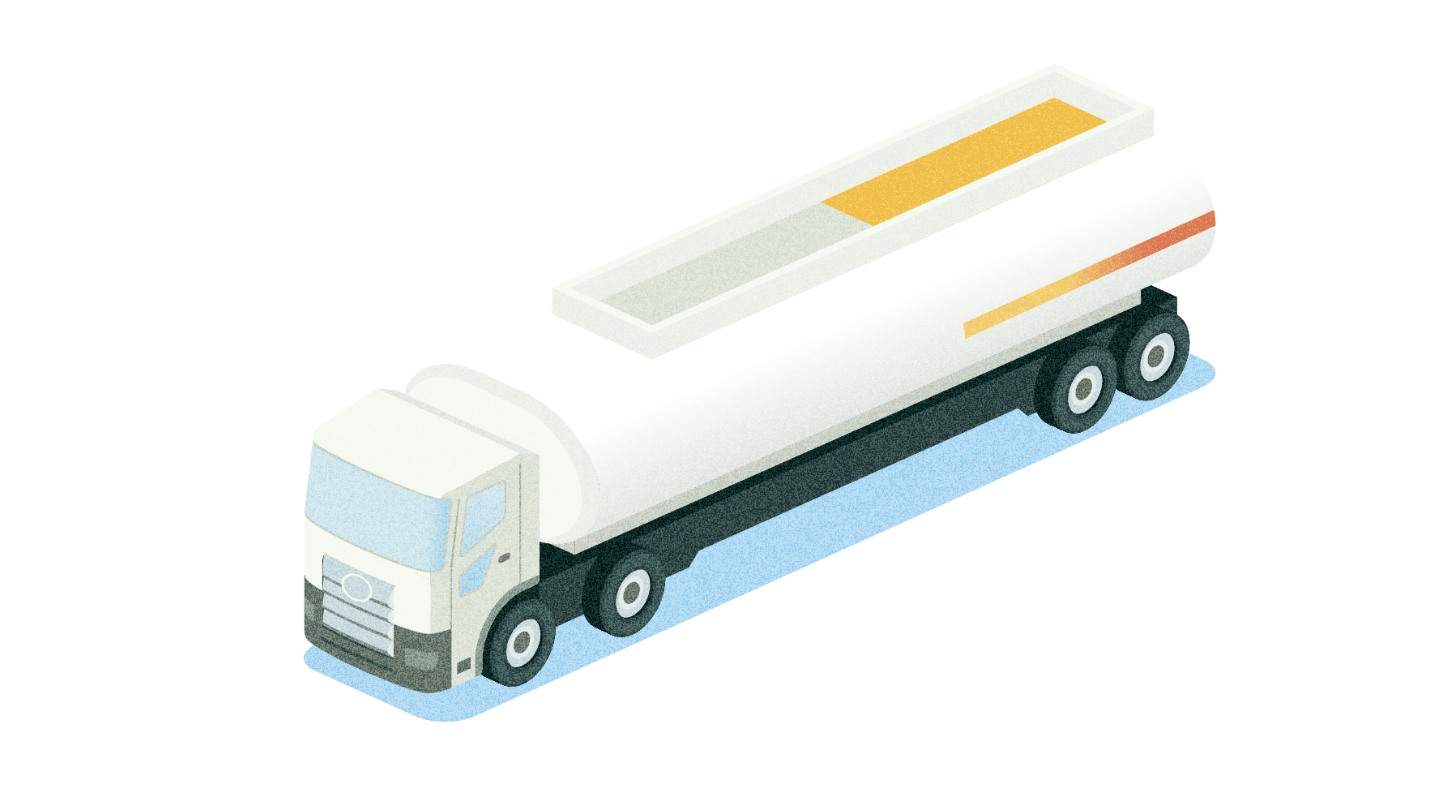
A liquid fuel produced by synthesizing CO₂ captured from the atmosphere and hydrogen produced using electricity derived from renewable energy sources. Although CO₂ is emitted when used as fuel, as it uses CO₂ itself as a raw material, it hardly increases the amount of CO₂ in the atmosphere, making it a form of energy that contributes greatly to achieving carbon neutrality. It can be used without modifying the internal combustion engines of automobiles, ships, and aircraft, and for distribution, existing infrastructure for petroleum products such as storage tanks and pipelines can be utilized.
International Situation Surrounding synthetic fuel
The European Union (EU) has changed its policy of banning the sale of new engine-powered cars by 2035, to only allowing cars with engines that use synthetic fuel produced from renewable energy. In Japan, the government has set a target of 100% of new passenger car sales being electric vehicles (EV/PHV/FCV/HV) by 2035, and the advancement of commercialization of synthetic fuels is being considered as a means of decarbonizing internal combustion engines, which will remain in use until that transition period and even beyond. The challenge when compared to petroleum products is their cost. In particular, a huge amount of renewable energy is required to produce hydrogen, which is the raw material. In Japan, where it is difficult to obtain cheap renewable energy compared to other countries, securing renewable energy for hydrogen production and the cost of doing so are issues.
Why Idemitsu Is Taking on This Challenge and Its Strengths that Enable It to Do So
Idemitsu Kosan aims to promote the early introduction and widespread use of synthetic fuel in Japan through collaboration with various companies both in Japan and overseas.
To handle synthetic fuel on a large scale, it is essential to utilize the technology and knowledge about liquid fuels and internal combustion engines that we have cultivated in our Petroleum business. In addition, we can utilize the existing facilities and networks at our manufacturing bases for transportation, storage, and supply.
To handle synthetic fuel on a large scale, it is essential to utilize the technology and knowledge about liquid fuels and internal combustion engines that we have cultivated in our Petroleum business. In addition, we can utilize the existing facilities and networks at our manufacturing bases for transportation, storage, and supply.
Future Developments
Our company is working to establish a supply system for e-methanol, a type of synthetic fuel. e-methanol can be used directly as marine fuel, and it can also be used as a raw material to produce jet fuel, gasoline, and chemical raw materials, thus contributing to decarbonization in many sectors.
Therefore, we are first working to procure inexpensive synthetic fuel, especially e-methanol, from overseas countries that are rich in renewable energy.
We have signed a Memorandum of Understanding (MOU) for a strategic partnership with HIF Global, a company that handles synthetic fuel (e-fuel) manufacturing projects in South America, North America, Australia, and other regions. Subsequently, we have invested in HIF to build an e-methanol supply network. We are considering procuring synthetic fuel, particularly e-methanol, from HIF's overseas projects starting in the early 2030s, as well as the international transport and utilization (as raw material) of CO₂ recovered domestically.
In addition to sourcing from overseas, we are also considering manufacturing in Hokkaido, which is rich in renewable energy, and are working to establish a supply system and promote early introduction and widespread adoption.
*As of March 27, 2026
Therefore, we are first working to procure inexpensive synthetic fuel, especially e-methanol, from overseas countries that are rich in renewable energy.
We have signed a Memorandum of Understanding (MOU) for a strategic partnership with HIF Global, a company that handles synthetic fuel (e-fuel) manufacturing projects in South America, North America, Australia, and other regions. Subsequently, we have invested in HIF to build an e-methanol supply network. We are considering procuring synthetic fuel, particularly e-methanol, from HIF's overseas projects starting in the early 2030s, as well as the international transport and utilization (as raw material) of CO₂ recovered domestically.
In addition to sourcing from overseas, we are also considering manufacturing in Hokkaido, which is rich in renewable energy, and are working to establish a supply system and promote early introduction and widespread adoption.
*As of March 27, 2026
 return