エネルギーとマテリアル領域の
持続的な成長を
スタートアップとの
共創で未来へつなぐ
-
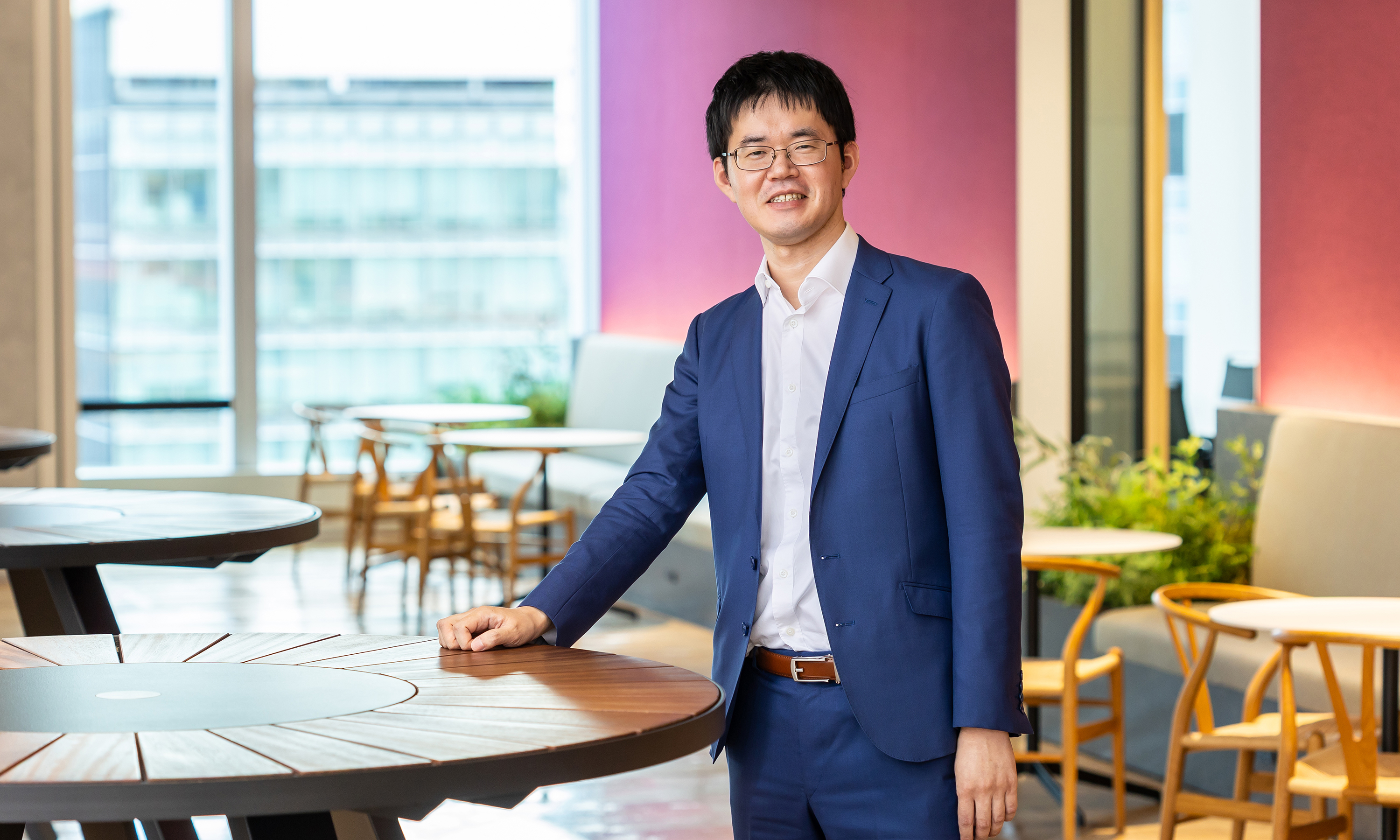
 Business Investment Office CVC
and Idemitsu Innovation Europe AGY. MIURA
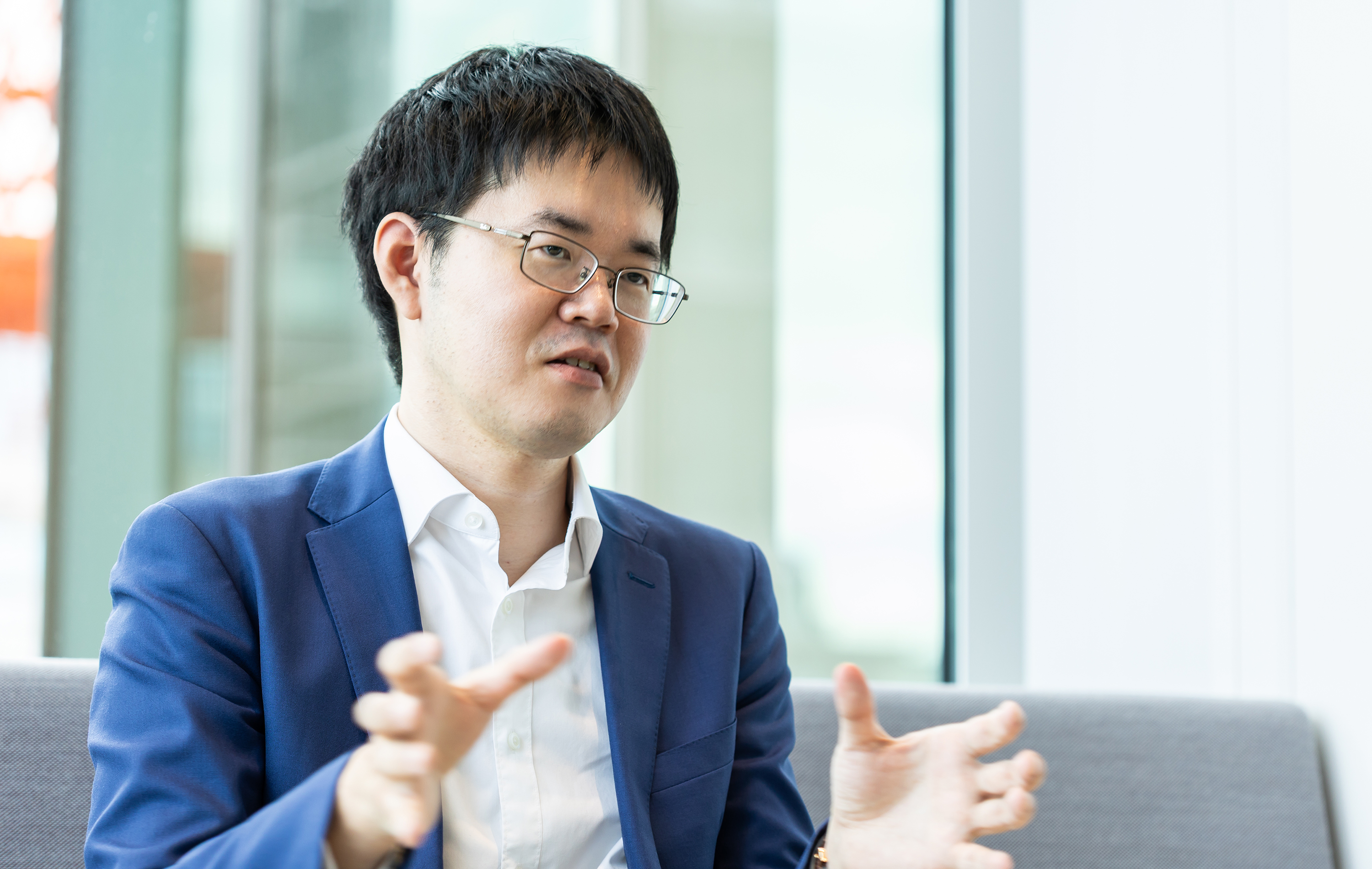
Idemitsu Corporate Venture Capital (Idemitsu CVC*1) was established in July 2024 with an investment budget of up to 10 billion yen over three years. Since its establishment, the company has invested in startups (hereinafter SUs) in Japan and overseas with innovative technologies in two areas: low-carbon energy and advanced materials. On the theme of “connecting,” we asked the person in charge of Idemitsu CVC, who took the initiative in launching Idemitsu CVC in Basel, Switzerland, where he is currently based, about the aim, characteristics, and future prospects of Idemitsu CVC’s investment.
- 1. CVC: Activity to invest in or support unlisted startup companies with the aim of generating synergies with existing businesses or creating new businesses.
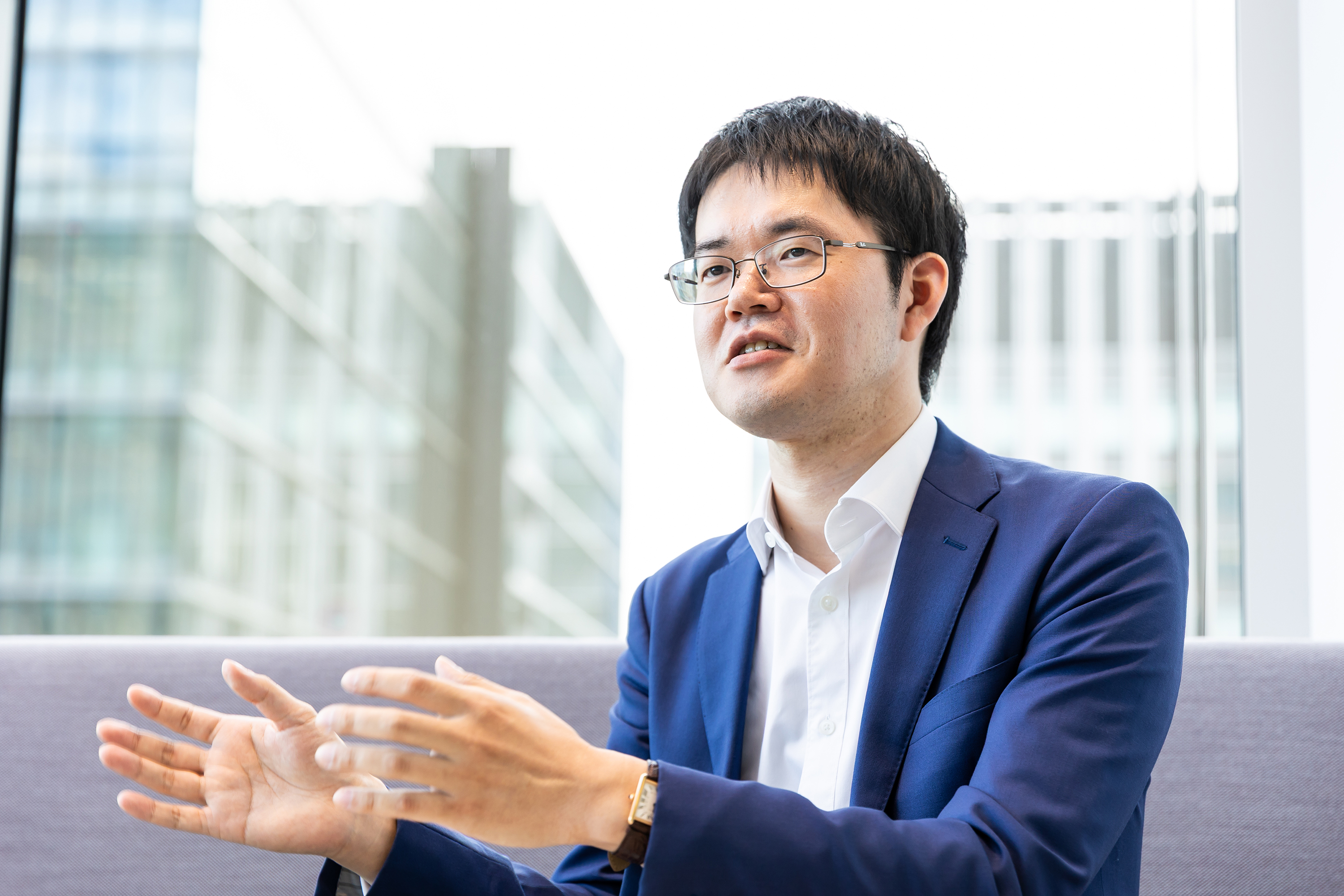
Miura majored in chemical engineering at university and graduate school. He joined Showa Shell Sekiyu K.K. in 2012 where he was in charge of the development of high-performance fuels and joint research with automobile manufacturers. In 2018, he took advantage of the overseas study program to study at the University of Michigan in the United States and earned an MBA. In 2020, he was involved in the establishment of the Innovation Strategy Department at Idemitsu Kosan after the merger. He was delegated to Idemitsu Innovation Europe in 2023 to manage startup investments globally and since July 2024 is involved in investment business at Idemitsu CVC.
自前主義を脱し
イノベーションを可能にする
「点」を増やすための
投資活動を提案
Choosing CVC in a time of energy market change
Idemitsu Kosan, which has continued to grow through its oil business since its founding, is facing a period of major change in the energy market. Amid the demand for transition to a low-carbon, recycling-oriented society, innovation is essential for the company to continue to be a major player in the supply of energy and materials in the future. Idemitsu CVC’s investment in startups is positioned as part of Idemitsu Kosan’s open innovation*2policy, along with collaboration with universities and public research institutes.
- 2. Open innovation: Initiative in which a company goes beyond its own boundary and creates new value by incorporating knowledge and technologies from outside, such as startups and universities.
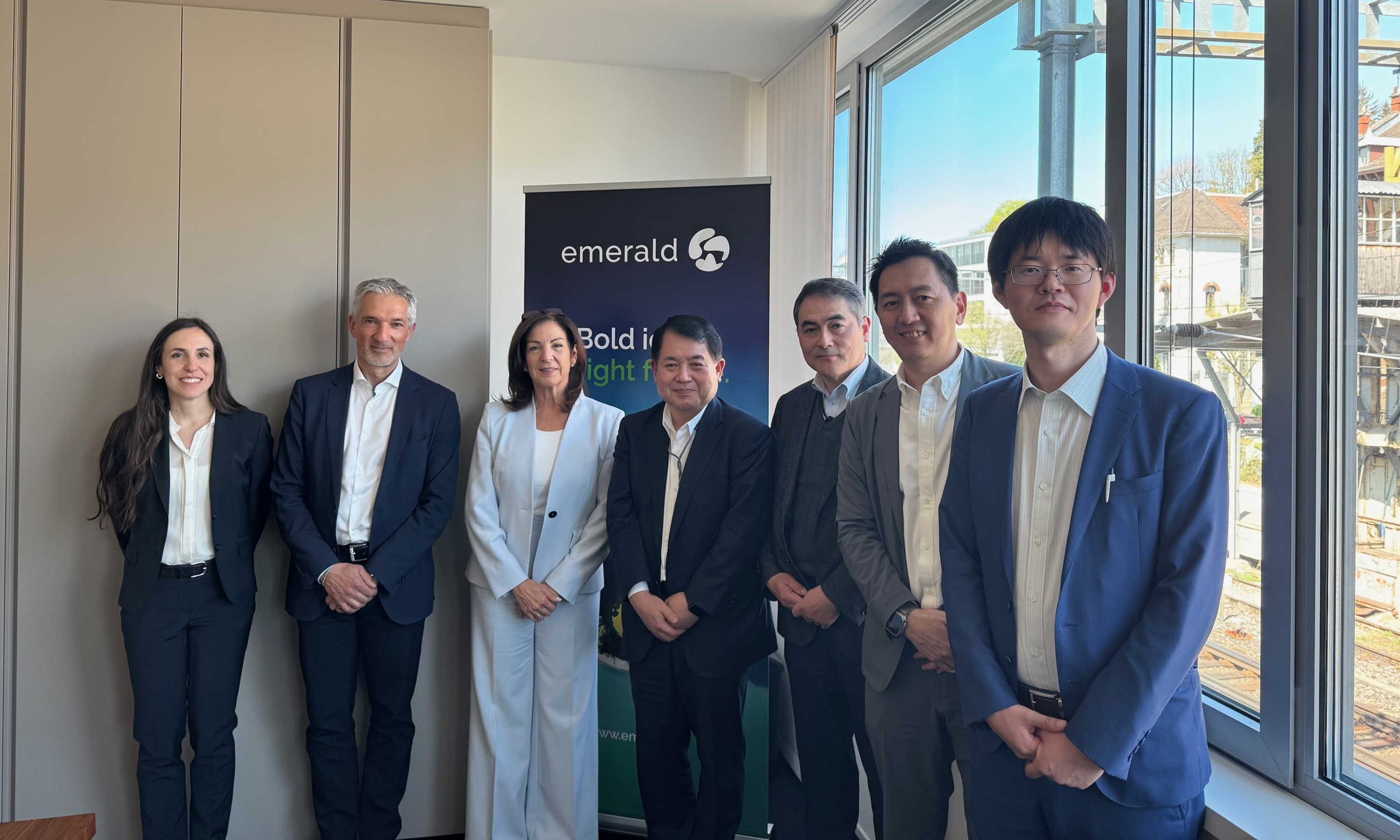
“Our partnership with SUs began in 2019 when we invested in a domestic fund. The following year, we also started investing in overseas funds, and I myself was seconded to an overseas fund to study technical and business due diligence (hereinafter DD)*3in the cleantech materials*4area in Europe and the United States so that I could deepen my knowledge of SU investment. That was when Idemitsu invested in Emerald Technology Ventures (hereinafter Emerald), a Switzerland-based venture capital fund*5、(hereinafter VC) with which Idemitsu CVC currently has a partnership.”
- 3. Due diligence: Detailed investigation and evaluation of the financial and business content of an investment target company.
- 4. Cleantech materials: New materials that contribute to decarbonization and resource recycling.
- 5. Venture capital fund: Investment company that invests in growing companies and supports business growth.
In Japan, some companies have been working on CVCs for about 20 to 30 years, but Idemitsu Kosan was a latecomer, and this was its first attempt.
“Some data showed that around 70 to 80% of CVCs in Japan would cease operations within five years of establishment. If that’s the case, I thought, it would be a good idea to find, investigate, and monitor promising SUs with the help of VCs, who are professional investors, and put in place a system to focus on strategy development and final investment decisions.”
VC-managed funds tend to deliver near-term financial returns, but it is difficult to factor in the company’s own strategies. On the other hand, self-established CVCs can invest according to the company’s own strategies, but their financial returns are highly uncertain. The launch of the Idemitsu CVC, which is predicated on a partnership with Emerald, was planned with these challenges in mind.
Looking for collaboration with overseas SUs in anticipation of growth speed
In the first place, Idemitsu Kosan started exploring collaboration with overseas SUs out of a kind of realization that it was lacking external partnership.
“An analysis of Idemitsu’s R&D expenses around 2020 revealed that investment in external collaborations, such as joint research with universities, was small compared to the scale of business. Most of the investment in the few external partnerships was made domestically, and almost none was made overseas.”
Idemitsu CVC entered into a partnership with Emerald with the aim of investing in overseas SUs from the outset. For SUs to achieve rapid growth, ample funds and a large market are essential. SUs in the United States and Europe have a large pool of investors and are able to develop their businesses at a rapid pace with ample funds, making it easy to achieve results in a short period of time.
“At present, we are accumulating investment know-how while co-creating with Emerald. We are now discussing Idemitsu’s future investment in domestic SUs on its own once we have enough experience.”
Toward a new commercialization process that connects technologies and business: Designing a mechanism to support SU investment
There is another realization. The main focus of Idemitsu Kosan’s R&D was on new businesses with technological strengths. The laboratories consider business projects on the premise of developing proprietary technologies. And employees in the technical field were mainly responsible for the evaluation for commercialization. Unique technologies undoubtedly have high value. On the other hand, if the goal is to contribute to society, a business perspective and cooperation with external organizations are essential in addition to technological superiority. Miura held discussions with top management as well as the heads of laboratories and business divisions, which led to a radical redesign of the commercialization process.
“If having our original technology was the premise for commercialization, we would be confined to creating new businesses that can only leverage our existing strengths. Yes, this is important, but in order to achieve innovation while looking ahead to society in 10 or 20 years down the line and beyond, being stuck on this idea will narrow our possibilities.”
Thus, in addition to the technical aspects, the business aspects and the presence of external partnership were added to the evaluation items. Furthermore, personnel from the corporate and business divisions were also to be involved in the evaluation, and Miura took the initiative in preparing the foundation for active R&D focusing on commercialization.
自社の外に広がる
可能性にも
賭けることができる
カルチャーの醸成
Our target is a growth strategy that goes beyond the company’s boundaries
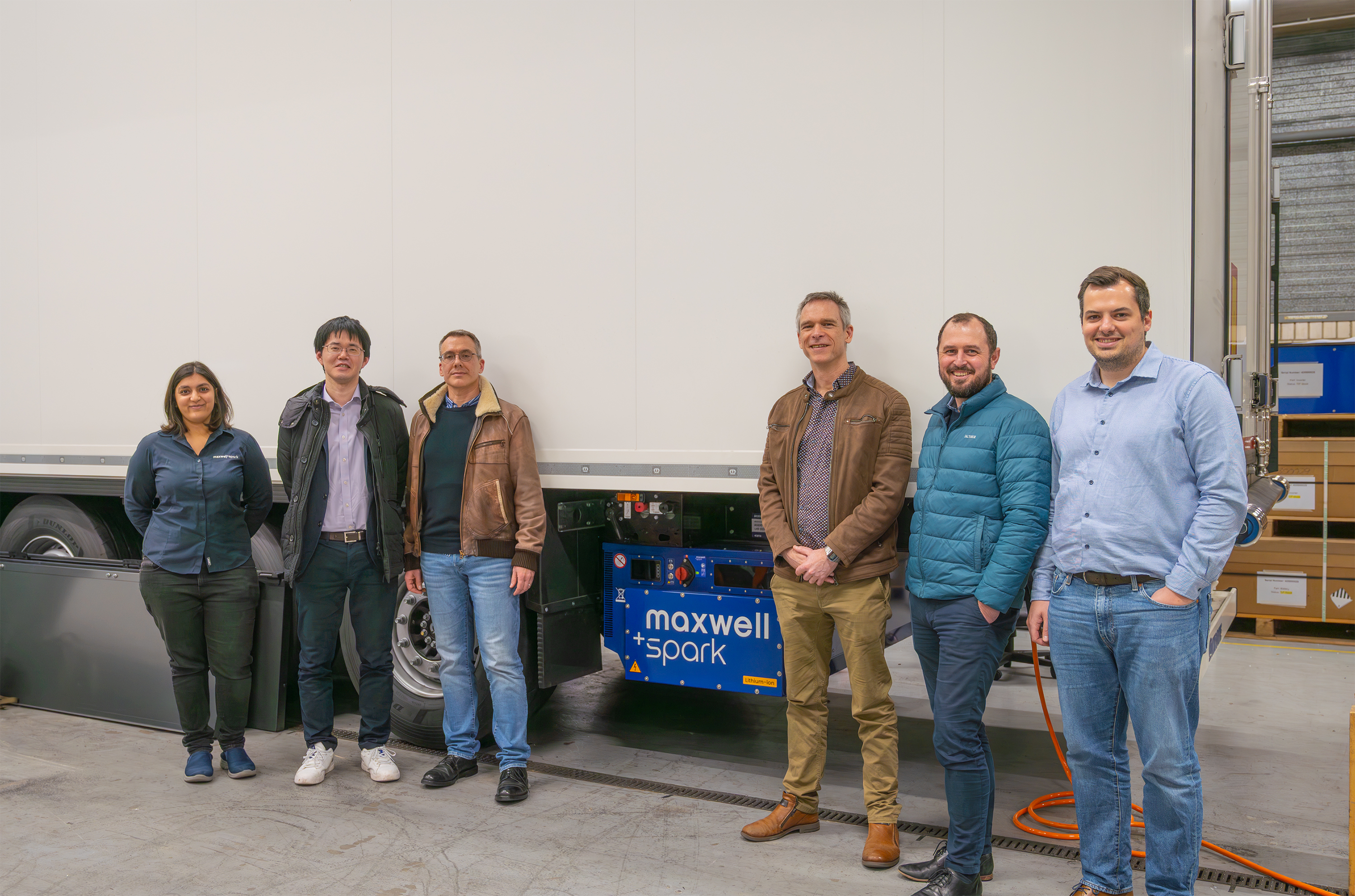
In April 2025, Idemitsu CVC decided to invest in NLM Photonics, a U.S.-based company that develops materials for high-speed communication devices essential for the construction of next-generation communication infrastructure. In October of the same year, Idemitsu CVC began investing in maxwell+spark, a Dutch company that provides lithium-ion battery solutions for industrial logistics, and in the following month of November, it began investing in INERATEC, a German company that manufactures and sells synthetic fuels using hydrogen and CO₂ from renewable energy sources.
“Amid changing global trends, it is not easy to create new businesses based solely on existing assets, particularly in the oil business. At the same time, it is also not realistic to venture into an enclave that is far from the oil business. That’s why we believe that we can bridge this by investing. At Idemitsu CVC, we conduct investment activities based on this concept.”
Each investment is a “dot” that plots Idemitsu’s future business portfolio. That dot is outside Idemitsu Kosan’s assets, in the realm of new possibilities.
“Idemitsu has been creating new businesses in areas that are not oil-related, an example being OLED materials. These are the results of the management at the time that continued to sow seeds while predicting trends from a long-term perspective. The trend is changing faster now, and I don’t think we can wait 10 years for commercialization. Therefore, we are building our investment portfolio by asking ourselves questions like: How can we effectively lodge those “dots” we have made in the form of investment in SUs in the trends in the world? How can we deepen the connection of those dots?
Being an investment expert that explores the outside world and sees the future from a flat perspective
When Idemitsu CVC was first established, there was a gap between the policy of Idemitsu CVC and the intentions of the individual business divisions and corporate segments.
“We were sometimes introduced to SUs at the R&D stage or close to speculation by business divisions seeking to invest in SUs. At the R&D stage, while we can expect strategic returns from such SUs, it is difficult to ensure sufficient due diligence and financial returns. At the time of Idemitsu CVC’s launch, we had made a commitment to top management that we would conduct thorough due diligence prior to investment and secure a certain level of financial return. As such, these investments ran counter to what Idemitsu CVC wanted to achieve.”
Therefore, Idemitsu CVC divided investment returns into two categories. Financial return and strategic return. For each they created an image of how to build an investment portfolio. Efforts were made to coordinate recognition with related organizations by enabling comprehensive judgment of the positioning and strategic significance of investment projects to be considered. Even after Idemitsu CVC’s activities started to take off, they continue to place importance on dialogue with each organization within the company.
“CVC have the mandate to make direct proposals to top management, but we try to get feedback from the people involved. Idemitsu Kosan, is different from SUs in terms of business scale, and the employees tend to negatively evaluate SUs. I believe it is important for Idemitsu to shape its opinions by listening to both harsh internal opinions and those of SUs, who are trying to open up new markets. Even if there are voices saying that such a project is not realistic, we continue to discuss and build a consensus within the company based on the possibility that such a world may come in the future. We value this attitude and process in making investments.”
In some cases, almost everyone in the relevant departments initially opposed the investment. However, as a result of heated, but constructive, discussions and the on-site inspection of the SU, all the management members agreed in the end.
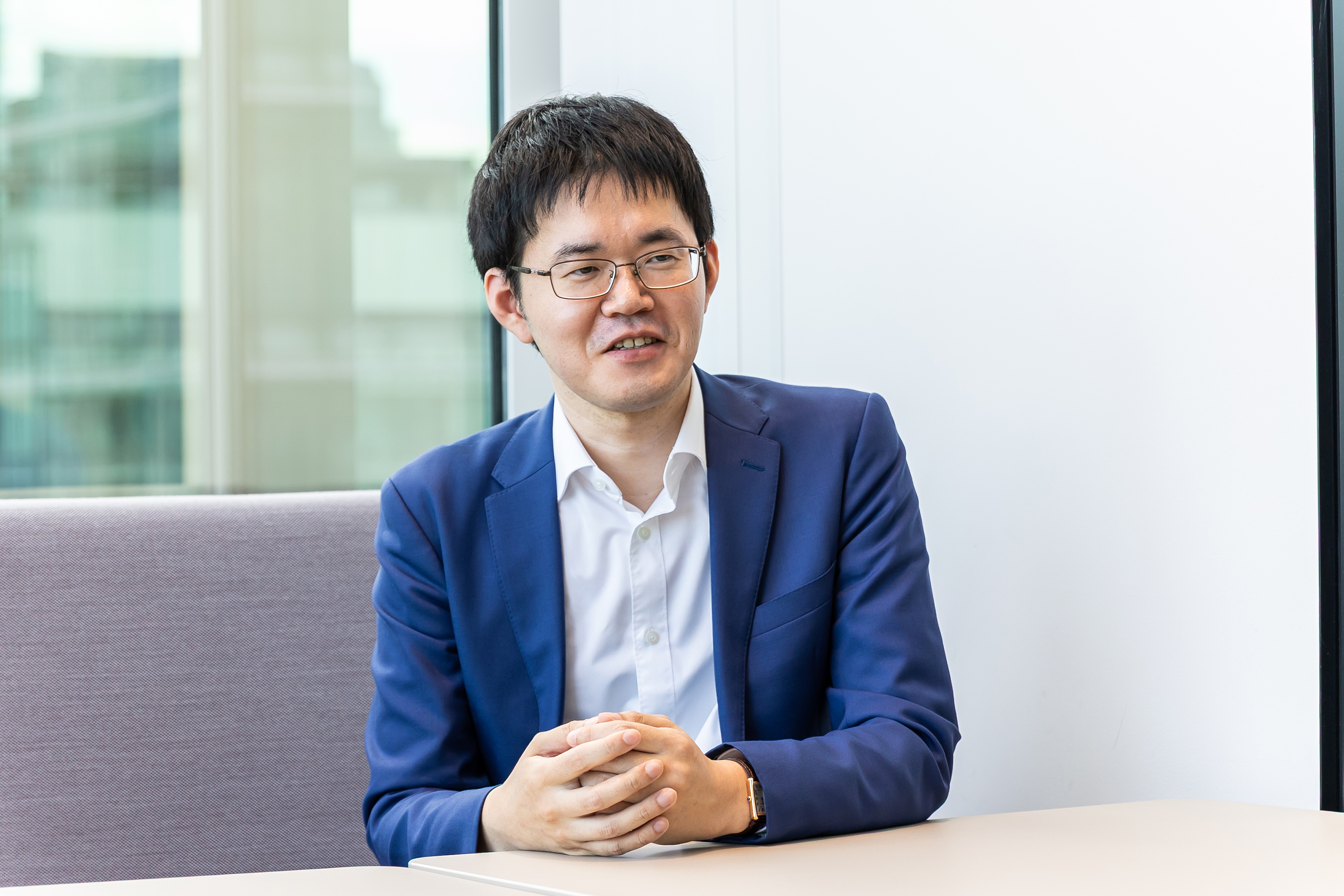
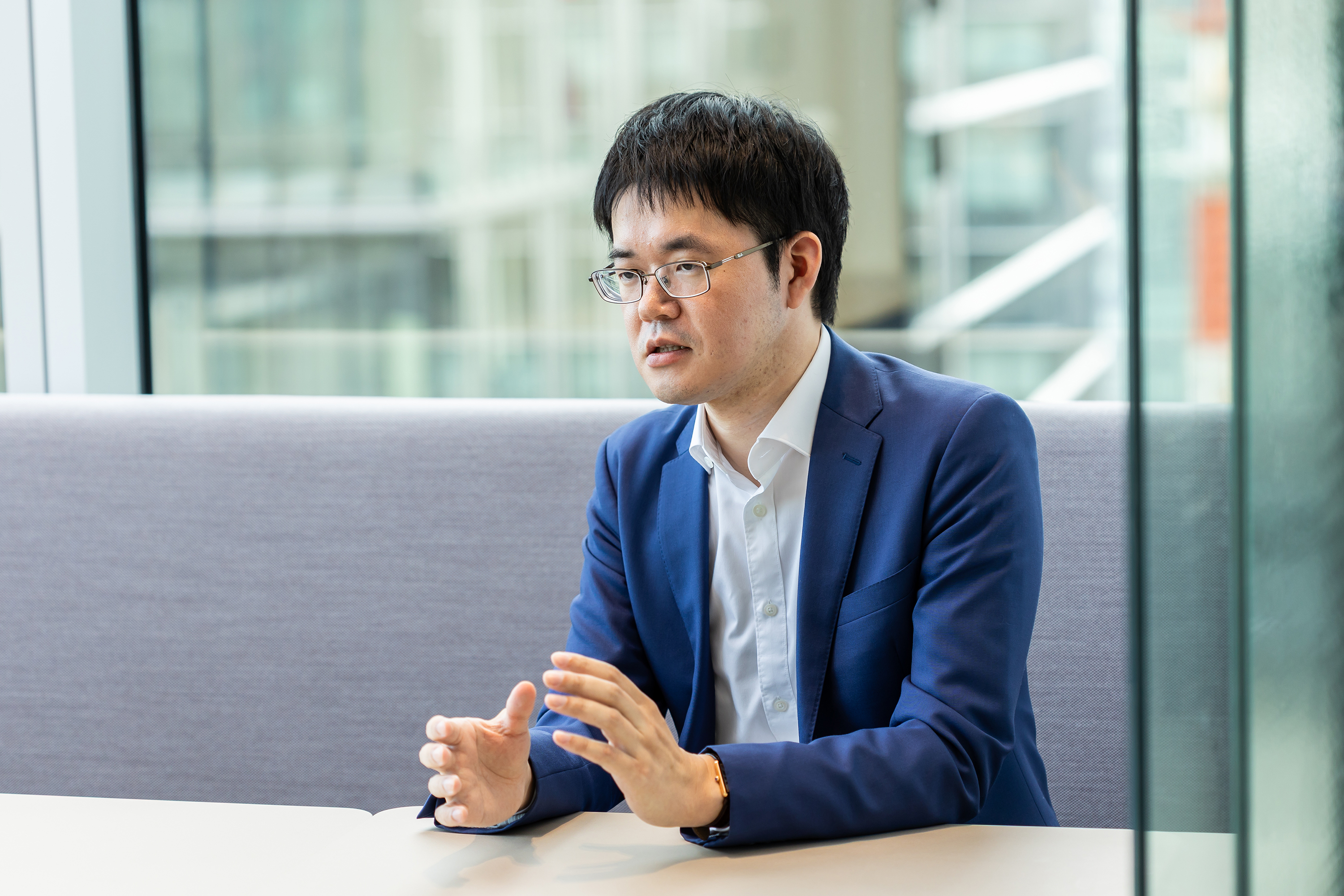
“We believe it is important to explore the outside world with curiosity. To see new technologies and business models from a neutral, unbiased perspective, and to think about how we can contribute to society without being bound by the past. I would like to continue to play a leading role in Idemitsu’s SU investment by presenting my ideas and policies as an ‘investment expert’ within the company.”
Startups are whetstones that sharpen up hypotheses for the future
In addition to allowing access to Idemitsu’s technologies and R&D capabilities, Idemitsu shares its supply chain and customer base with the SUs receiving investment to support their business development.
“I feel that such SUs are like a whetstone for our company. When you build an investment portfolio, you start with a hypothesis, which is based on a number of underlying factors such as social trends and market trends in the relevant domain. It is also necessary to examine the technological development hypothesis regarding which of the candidate technologies will be commercialized the fastest. It is difficult to test these possibilities by ourselves.”
That is the very reason why we should and can update our own hypothesis by investing in SUs that are trying to start a business and accompany them through the process of commercialization. In fact, there is a great deal to be learned from the ideas and hypotheses of SUs.
“The difference in speed perception may be an issue going forward. After all, Emerald is accustomed to the SU world and works and makes decisions quickly. They are also good at focusing their questions to what they really need to know in order to invest. At this point of time, Idemitsu’s investments cannot be reviewed at the same speed. We still have to go further.”
出光興産の将来を
背負って立つ
これからの人財を
育むために
Talents with a vision and the ability to interact with global players
Currently, Idemitsu CVC has four full-time staff members in Basel and two members in the Tokyo head office. In addition, Idemitsu Kosan has dispatched trainees to the Basel office for the purpose of cultivating new staff.
“Idemitsu CVC is also a place to cultivate talents with global knowledge and skills. To that end, we tell the trainees that the role of CVC is not to ask someone in the company when making a decision, but to think about the future of the company with their own heads. We also have them engage in dialogue with innovative SUs and make actual investment decisions together.”
Miura himself has been inspired by the outside world. Miura recalls an incident that occurred when he visited a SU with some top managers from Idemitsu Kosan’s head office during the due diligence. The CEO of the SU happened to be around Miura’s age. Miura was moved by his courage and spirit as a leader to start a company from scratch, raise a cumulative total of tens of billions of yen, and lead more than a hundred employees.
“Managers also felt the CEO’s honesty, depth of expertise, ease of understanding, and sincerity. When I see the determination of such a person who has made thousands of presentations and is betting his life on the SU’s business, I feel that I myself should be more sincere. It reminded me of the words that an Idemitsu senior had once said to me: “It’s the people who make proposals, make decisions, and get them right.” The experience also made me realize that I should change my way of dealing with those around me, including my speech and behavior.”
We will share a new worldview by embracing the desire of innovative players to contribute to society. Cultivating talents with a broad perspective is also essential for Idemitsu Kosan to continue its sustainable growth and deliver value to the future.
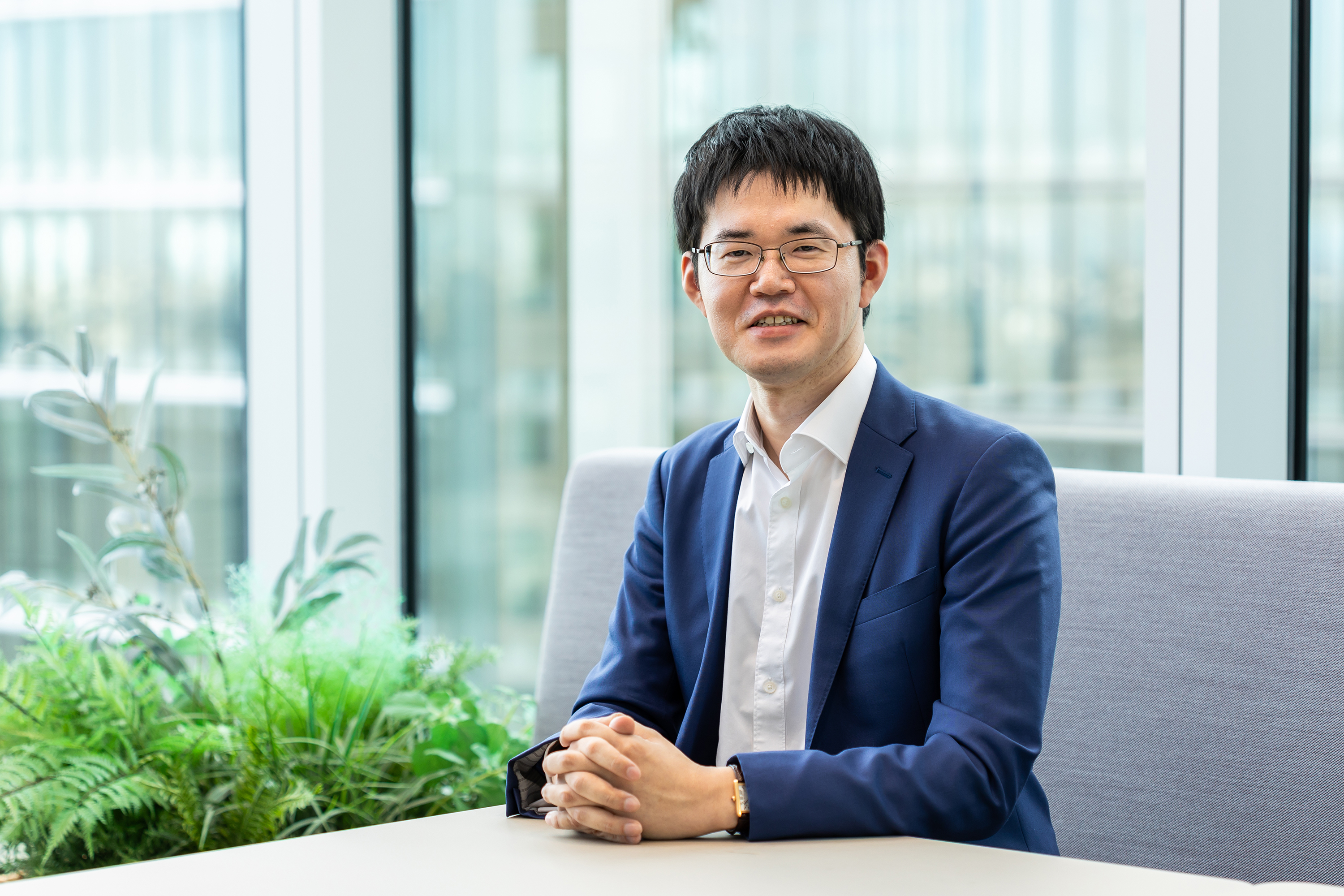
A country of tranquility and sincerity: The charm of life in Switzerland
Living in Switzerland, I cannot but notice that the country is surprisingly similar to Japan. It is safe and calm, with everyone working with integrity. In Basel, people come and go across borders, and industries that make use of knowledge and expertise, such as pharmaceuticals and finance, play a central role in the economy. The culture that values nature and is not influenced by trends is also attractive. Learn the local language and be accepted as part of the community. This kind of earnestness, which spares no effort, is typical of Switzerland―a feature that most Japanese feel comfortable with.
* As of February 2026
Related interviews
-
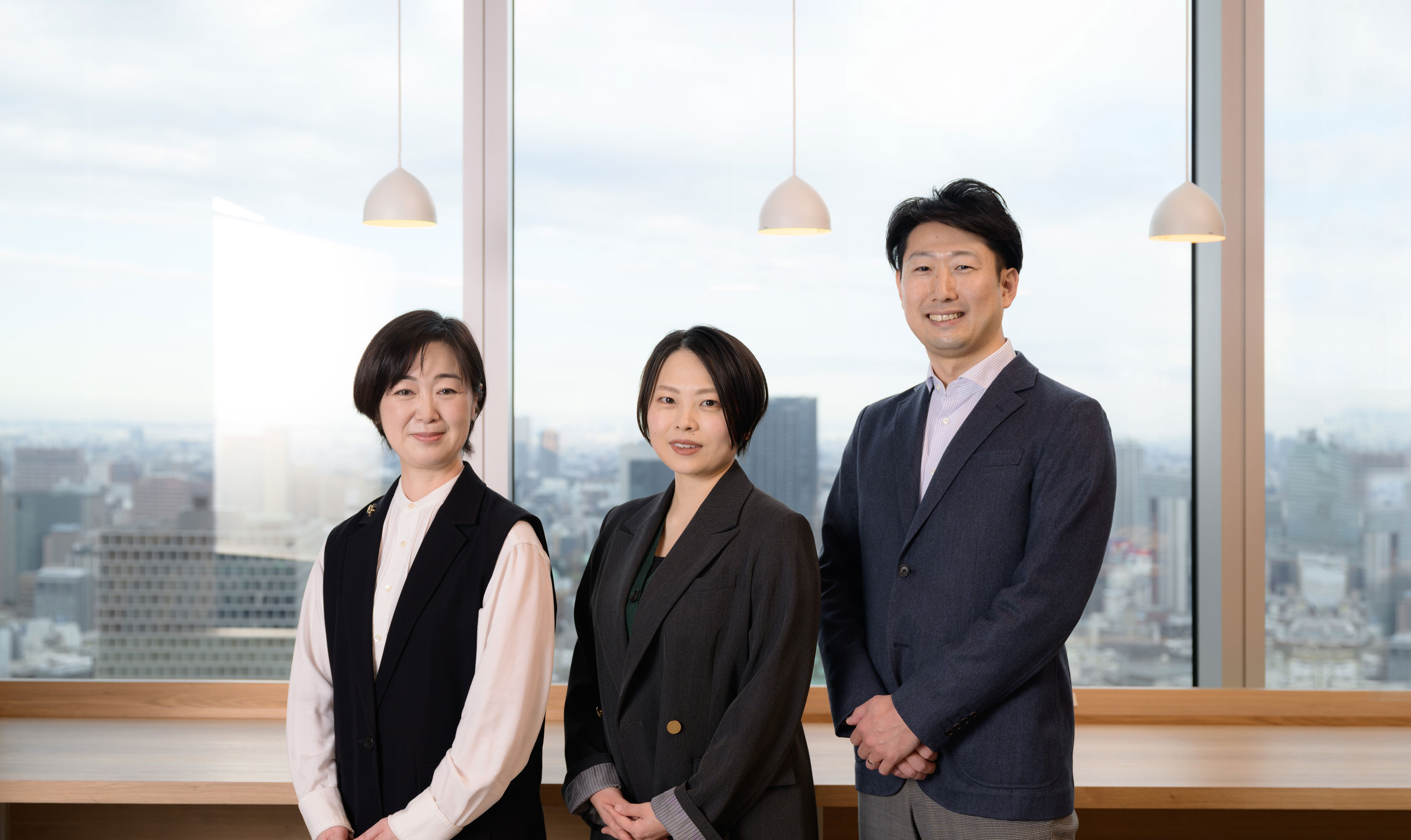
「人が中心の経営」
創業の精神を
守りながら、
未来を創り上げる。2025.01.30 UPHuman resources departmentT. SUGIUCHIR.IWAOY. NISHIYAMA -
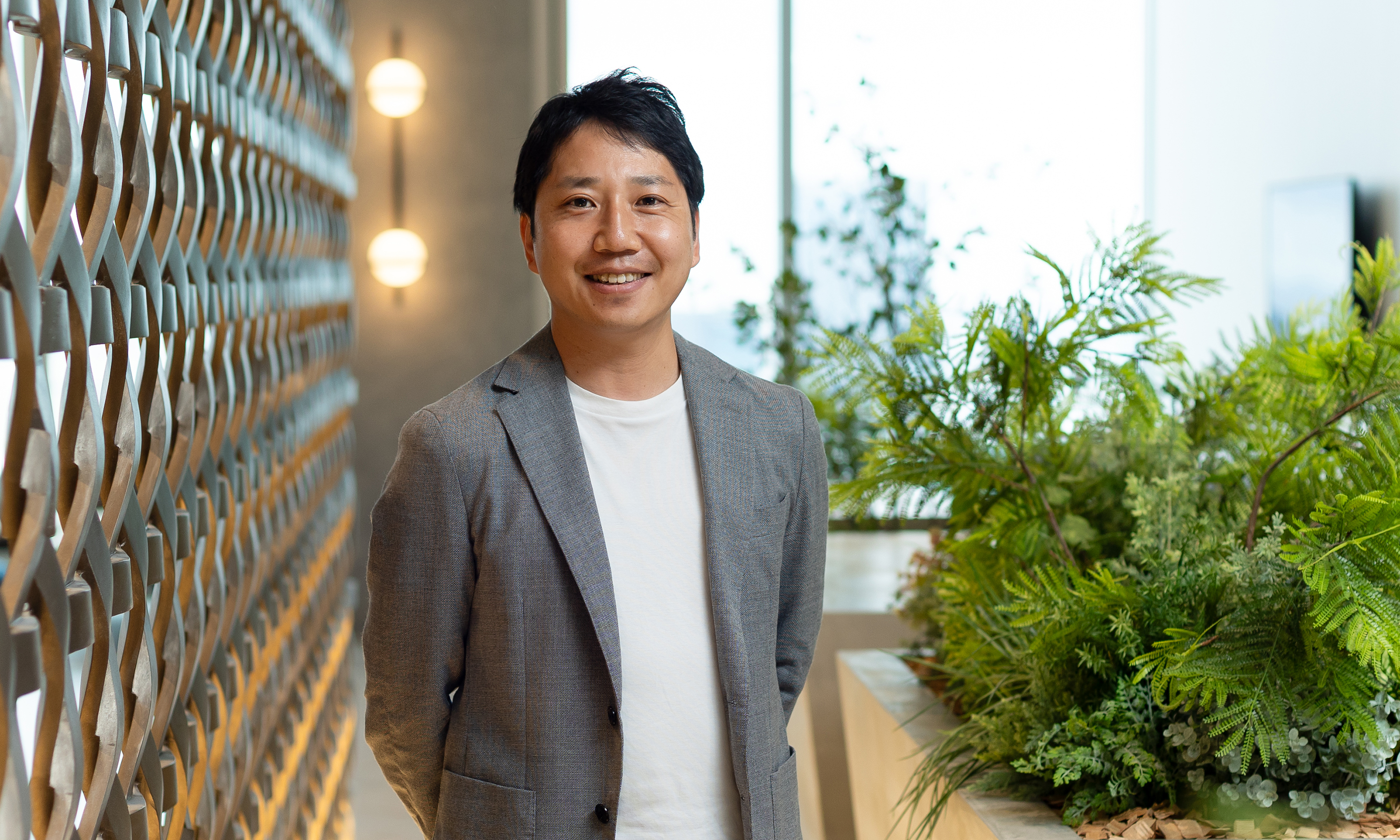
挑戦マインドの形成を
後押しする場づくりで
社員と出光興産の「今」を
「未来」へとつなげる。2025.07.17 UPHuman Resources Department Human Resources DivisionY. SHIZUNO -
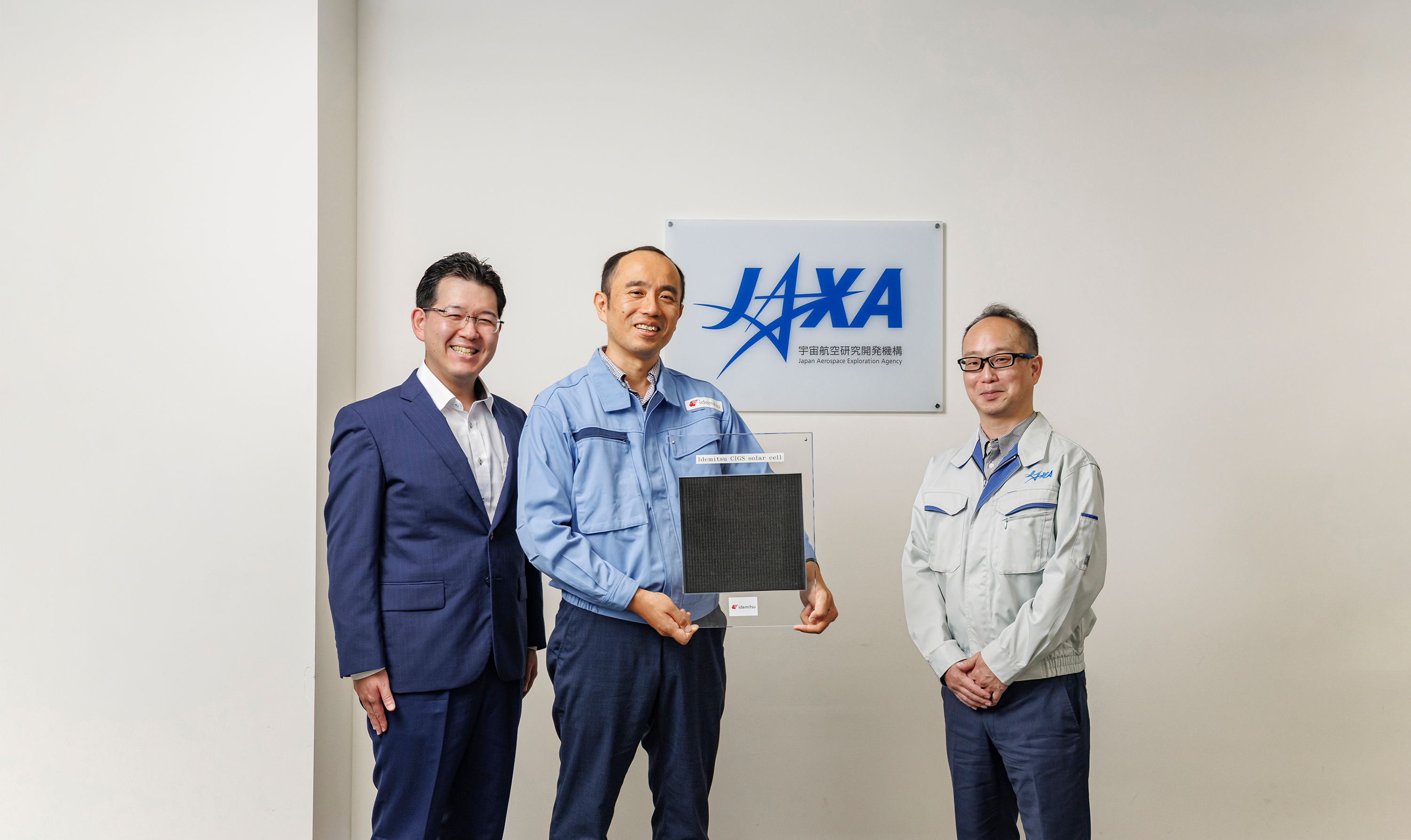
「CIGS太陽電池」で
宇宙開発に無限の可能性を
心躍る未来を切り拓くのは
新規事業への飽くなき挑戦2025.11.05 UPT. OKUMURAH.TOMITAD.OGAWA